
Medical Cannabis in the UK: Separating Street Culture From Clinical Reality
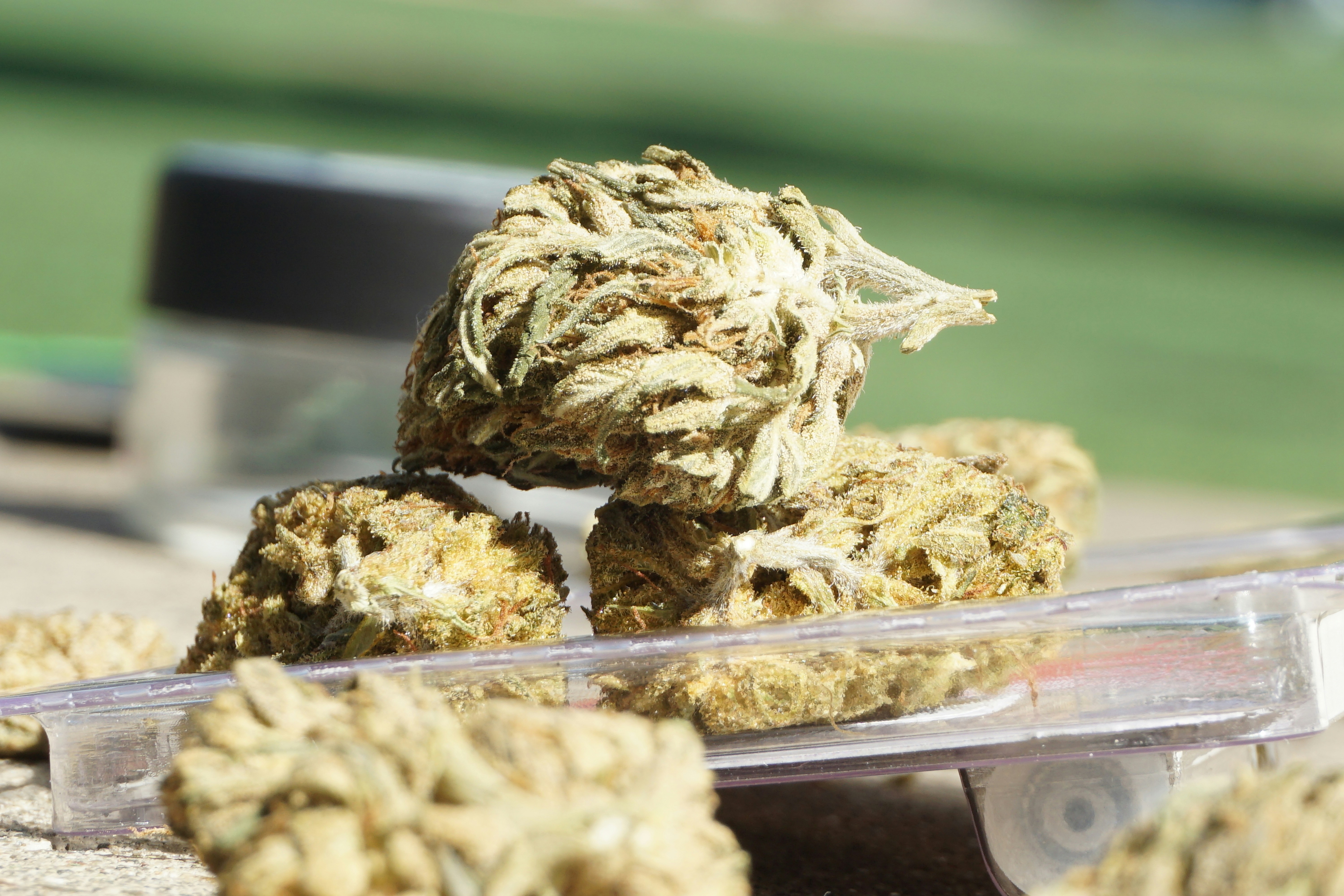
Most people still hear the word cannabis and think of old stereotypes. Yet inside UK healthcare the conversation looks completely different. Doctors, plant science, and clinical reviews now shape how cannabis medicines are discussed, prescribed, and monitored for patients living with difficult long-term symptoms.
Cannabis still carries a strong cultural image in the UK. Many people picture smoky bedrooms, festival fields, or the sort of teenage rebellion that makes parents nervous. That image sticks around even though medical cannabis now sits inside the healthcare system. Doctors, prescriptions, and clinical reviews form part of that conversation. The gap between the old stereotype and the medical framework often creates confusion for anyone trying to understand what medical cannabis actually involves.
Public Images of Cannabis Versus Plant Science
Recreational cannabis culture usually focuses on lifestyle and identity. Stories about parties or personal habits dominate the conversation. Medical discussions start in a completely different place. Doctors and researchers begin with plant science because cannabis contains several distinct plant types with different biological traits.
Botany gives doctors a clearer starting point. One example is cannabis ruderalis, a hardy subspecies known for flowering automatically as it matures rather than relying on seasonal light changes. That biological detail may sound technical, yet it shows how medical conversations begin with plant classification rather than cultural reputation.
Cannabis ruderalis also stands apart because of its physical characteristics. The plants usually grow smaller and tougher than other cannabis varieties. They developed in harsher climates where short summers forced the plant to reproduce quickly. That resilience explains why breeders sometimes use ruderalis genetics when developing medical strains that need predictable growth cycles.
Why Medical Cannabis Sits Inside a Regulated Clinical Framework
Public conversations about cannabis often drift toward culture and personal stories. Healthcare works very differently. Prescribing decisions sit inside strict medical rules. A doctor reviews symptoms, previous treatments, and medical history before deciding whether a cannabis-based medicine can even be considered.
Specialist clinicians also work within national guidance that defines how these medicines are used in the UK healthcare system. That structure explains why medical cannabis looks very different from the image many people still carry from youth culture. The conversation becomes clinical rather than social once healthcare enters the picture.
How Specialist Clinics Assess Patients for Treatment
Medical cannabis enters the conversation only after a proper medical review. Doctors start by looking at the condition being treated and the therapies already tried. Many patients reach this stage after living with long-term symptoms that have not responded well to standard medication.
That process usually takes place inside a cannabis clinic where specialist doctors handle consultations and prescribing decisions. Medical records are reviewed and treatment options discussed before any prescription is considered. The conversation centres on patient history and clinical judgement rather than the cultural image many people still associate with cannabis.
Specialist clinics also guide patients through the practical steps that follow a consultation. That includes discussing potential treatment plans, explaining how prescriptions are issued, and outlining how follow-up appointments work. Clear information at this stage helps patients understand what clinical cannabis care actually looks like in practice.
Clinical Evidence and Research Behind Cannabis Medicine
Medical cannabis discussions also connect to research and clinical evidence. Doctors rely on published studies when reviewing treatments that involve cannabinoids. Researchers examine how different compounds interact with the body, what conditions they may help with, and where the limits of current evidence still sit.
Clinical research into cannabinoids continues to develop within the wider field of medicine. That body of evidence shapes how doctors approach prescribing decisions. Medical conversations stay focused on patient safety, clinical judgement, and documented research rather than the cultural image that surrounds recreational cannabis.
Researchers also study dosage, delivery methods, and how different cannabinoids affect specific symptoms. That work helps doctors decide when cannabis-based medicines may be appropriate and when other treatments should remain the first option within a patient’s care plan.
Understanding Medical Cannabis Outside Recreational Culture
The cultural picture of cannabis still hangs around in the public imagination. For many people it brings back memories of teenage experimentation or stories about heavy drug use. That history shapes first impressions even when the topic turns toward medical treatment.
Healthcare conversations follow a different path. Doctors approach cannabis in the same way they approach any other medicine. The focus sits on symptoms, clinical guidance, and careful monitoring once treatment begins. Seeing cannabis through that medical lens helps separate old cultural assumptions from the way modern healthcare actually works.
Seeing Cannabis Through a Medical Lens
Cannabis still carries a strong cultural reputation in the UK. That reputation formed long before doctors began prescribing cannabis-based medicines. When people first hear the phrase medical cannabis, many instinctively picture the same lifestyle associations that surrounded the drug for decades.
Healthcare conversations look very different. Doctors focus on patient history, symptoms, and treatment plans. Prescriptions sit inside medical rules and clinical oversight. Seeing cannabis through that framework helps separate cultural memory from modern healthcare practice, which is built around patient care rather than social reputation.